The ripples from the sensational Kouri Richins murder trial keep expanding. Two prominent Utah law enforcement leaders now face serious legal trouble of their own. A grand jury indicted Wasatch County Sheriff Jared Rigby and former Summit County Sheriff Dave Edmunds on felony obstruction of justice charges. Court documents unsealed in Utah's 3rd District Court detail the indictments returned against both men, shaking up local politics and adding a strange new chapter to an already bizarre national story.
Grand jury indictments are rare in Utah state courts. Prosecutors typically file direct charges and let a judge weigh the evidence during a preliminary hearing. Choosing a grand jury bypasses that step entirely, signaling that prosecutors wanted to protect witness testimony and build an airtight case from behind closed doors. Both sheriffs have pleaded not guilty. Meanwhile, attorneys for the accused have fought to keep portions of the indictments heavily redacted, citing concerns about intense public scrutiny.
Why Two Sheriffs Are Connected to the Richins Case
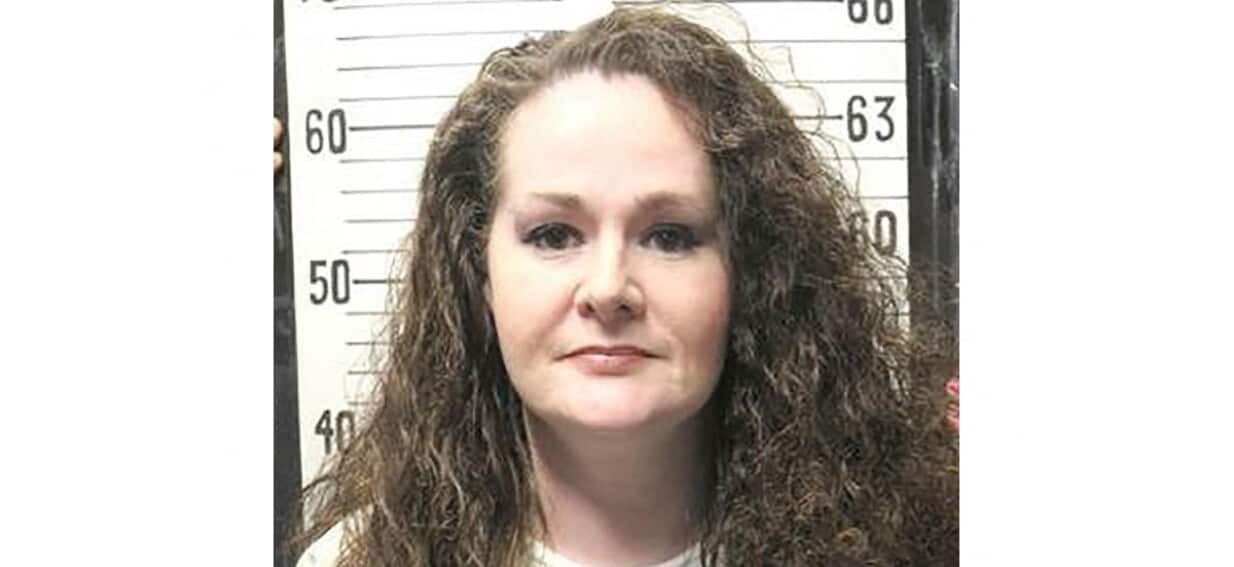
You might wonder how active and former sheriffs get tangled up in a high-profile murder prosecution. The trouble stems from a messy local political feud that collided directly with the investigation into Kouri Richins, who was convicted of killing her husband Eric Richins with a fentanyl-laced cocktail and subsequently sentenced to life without parole.
Months before the trial gripped the nation, a political campaign was underway in Utah's Wasatch Back. Wasatch County Sheriff Jared Rigby was running for reelection. One of his primary opponents was Eric Mainord, a Summit County sheriff's deputy who also worked as a detective connected to the Richins investigation.
According to investigations by the Utah Investigative Journalism Project, Rigby allegedly presented an anonymous letter to Summit County officials containing severe, damaging allegations about Mainord. Prosecutors argue that the move was a calculated effort to smear a political rival and taint a key investigator involved in the high-stakes murder case. Former Summit County Sheriff Dave Edmunds allegedly became entangled in these maneuvers as well, leading to the current grand jury indictments. Mainord ultimately withdrew from the race, while Rigby later lost his June Republican primary bid to Jeremy Hales.
The Defense Strategy and Ongoing Fallout
The fallout from these indictments goes far beyond local politics. Richins' defense team has seized on the chaos. Following her conviction and subsequent order to pay more than $55 million in a wrongful death lawsuit filed by her husband's estate, her lawyers have attempted to leverage the obstruction inquiry into arguments for a new trial. They claim the internal police turmoil compromises the integrity of the original investigation, though judges have thus far resisted pausing post-trial proceedings indefinitely.
Transparency remains a battleground in the courtroom. Summit County prosecutors argue that the public deserves to see the unredacted charging documents under First Amendment protections. Conversely, defense attorneys claim that the relentless media attention surrounding Richins makes total disclosure unfair to the accused sheriffs. A crucial hearing scheduled for November 4 will determine whether the public finally gets to read the redacted details in full.
Public officials are supposed to uphold the law, not bend it during political campaigns. As this case heads toward trial, it serves as a glaring reminder of how local power struggles can corrupt the justice system from the inside out. Pay close attention to the upcoming November hearings, because the full scope of what happened behind closed doors is only starting to emerge.