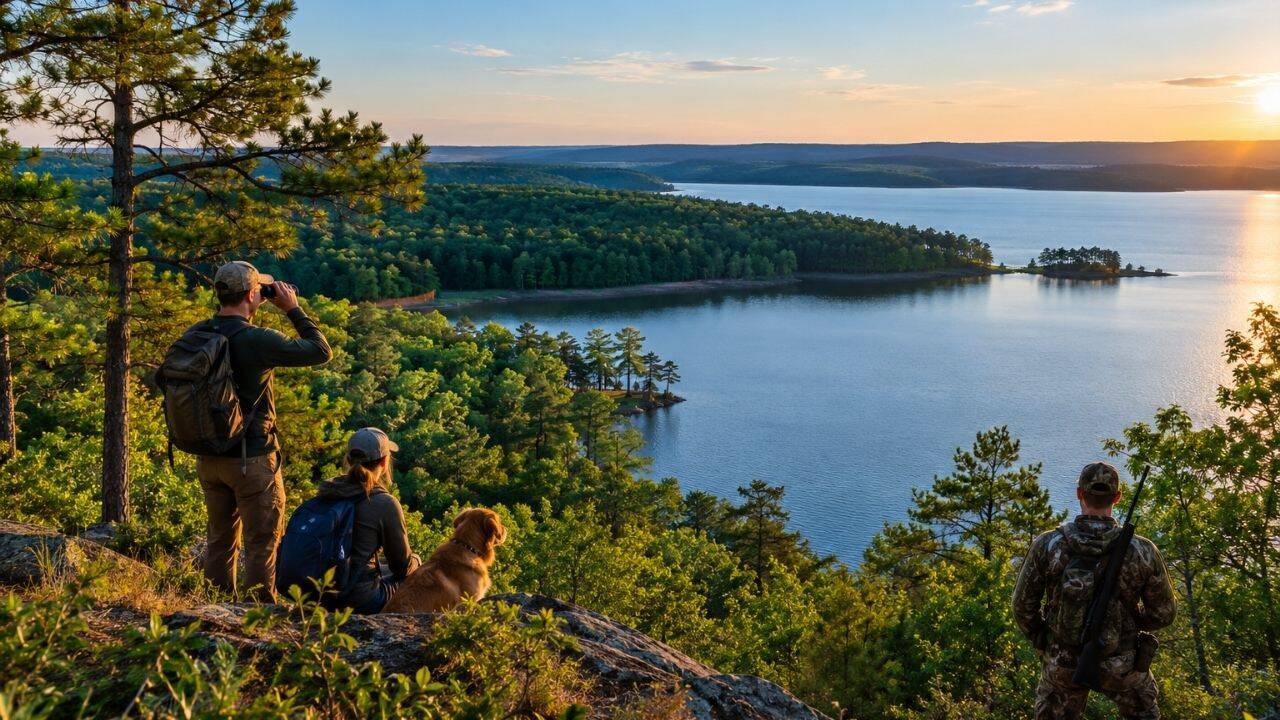
Two hundred acres doesn't sound like much when developers have their eyes on thousands. Yet, that initial stretch of shoreline around Tuckertown Reservoir just changed hands. It didn't go to a luxury home builder or a timber corporation. It went to conservationists who refused to watch another piece of North Carolina's natural heritage get sliced into private lots.
The Three Rivers Land Trust recently finalized that first victory, but the battle for the rest of the basin has barely begun. If you care about open public spaces, clean water, and wildlife habitats that aren't locked behind gated communities, what happens next around this reservoir affects you directly.
The Reality Behind the Tuckertown Campaign
Let's look at how we got here. The land surrounding Tuckertown Reservoir has a complicated history. For decades, much of the acreage was privately owned by Alcoa, yet it remained accessible to the public because it sat quietly inside the North Carolina Gamelands Program. People fished from those banks, hunted, and hiked without worrying about trespassing signs.
That arrangement worked fine until the threat of corporate sell-offs and rapid residential growth became too real to ignore. When properties change hands in a booming region, public access is usually the first casualty. Nearly eighty percent of North Carolina's total population lives within a hundred miles of these very lands. Development pressure isn't a theoretical threat waiting in some distant future; it's happening right now across the Piedmont.
The Three Rivers Land Trust launched the Save Tuckertown initiative to get ahead of the bulldozers. They needed money, and they needed it fast.
Grassroots Momentum Against the Odds
Big conservation deals usually involve massive government grants or anonymous billionaires writing checks behind closed doors. Tuckertown bucked that trend. More than fourteen hundred grassroots donors chipped in to secure that first 200-acre tract.
Contributions poured in from every single US state, plus places as far away as Guam, Canada, and Europe. Outdoor brands like onX and MeatEater stepped up to match funds, alongside a forty-thousand-dollar contribution from the North Carolina Wildlife Habitat Foundation. When people from across the globe care about a local North Carolina reservoir, it tells you something important. Public land access is shrinking everywhere, and people are starting to fight back.
Once the paperwork clears, this initial parcel heads straight to the North Carolina Wildlife Resources Commission. It stays in the public gamelands system. It won't become private property. It stays open.
The Massive Fight Still Ahead
Saving two hundred acres feels good, but let's be honest about the math. Another 3,800 privately owned acres around Tuckertown remain entirely at risk of sale and commercial development.
The land trust isn't hiding from the scale of the challenge. Their next major target is an 800-acre tract boasting more than four miles of unbroken shoreline, mature hardwood trees, and sweeping views from Highway 49. Parcels of that size don't stay on the market long. If a private buyer snaps them up, a massive chunk of the reservoir's natural shoreline vanishes forever.
Previous protection efforts missed these specific parcels. Back in 2007, a relicensing settlement saved some surrounding acreage, but plenty of valuable tracts were left out in the cold. Now, local organizations have to foot the bill to correct those past omissions.
Why Keeping Land Public Changes Everything
There is a huge difference between private conservation and public access. Plenty of landowners put easements on their property to stop clear-cutting or subdivision, which is great for trees and wildlife. But if you can't walk across the property, fish the banks, or take your kids hiking, does it really benefit the community?
The Three Rivers Land Trust focuses on acquiring properties with the explicit goal of transferring them into public ownership. They've already used this playbook to protect more than 8,000 acres around High Rock Lake and other parts of Tuckertown. They know that if you don't secure the title and hand it over to state wildlife agencies, the public loses out the moment a new owner takes the deed.
What You Can Do Right Now
If you want to support conservation efforts like the Save Tuckertown campaign, don't just wait for news headlines.
- Track local land trusts: Find out what organizations operate in your backyard. Groups like the Three Rivers Land Trust rely heavily on regional members and small-dollar donors to move quickly when land hits the market.
- Support public access advocacy: Push local policymakers to prioritize public gamelands and greenway buffers during county zoning meetings.
- Contribute directly: If you use public lands for hunting, fishing, or hiking, put your money where your boots are by supporting acquisition funds.
The next 3,800 acres won't save themselves. If local communities don't match the financial muscle of developers, the shoreline you hike today will look completely different tomorrow.