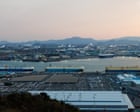
International trade loopholes are messy, but when energy markets, wartime sanctions, and geopolitical posturing collide, things get explosive fast. South Korea is currently caught in a tight corner. After investigative reports revealed massive quantities of refined fuel flowing from its ports directly into Russian territory, Seoul promised to investigate. If anyone broke domestic rules, legal action is coming.
Yet, the reality behind these shipments exposes a tangled web of maritime logistics, lax export restrictions, and regulatory blind spots that western allies and Kyiv are calling out loudly.
The Numbers Behind the Fuel Flow
Let's look at what actually happened. Port records and ship-tracking data point to a staggering volume of trade over the summer months. Specifically, in July and August, over 176,000 tonnes of fuel—mostly diesel—were loaded at various South Korean ports onto seven separate tankers. Those vessels completed 14 total voyages heading straight for Russia's far east.
This isn't pocket change. It represents a significant lifeline for a country whose domestic refining capabilities have taken a severe beating. Ukrainian drone strikes have relentlessly targeted Russian energy infrastructure. In fact, Russian refinery throughput plummeted to a multi-year low over the summer, with diesel output sliding nearly 30% compared to previous years, according to figures from the International Energy Agency.
When energy supplies dry up domestically, Moscow looks elsewhere. Enter these nimble tanker voyages. Out of the seven vessels involved, three were already operating under UK and European Union sanctions. One particular tanker took on roughly 26,000 tonnes of fuel through a ship-to-ship transfer sitting quietly at an anchorage right off South Korea's southern port of Yeosu.
Why Seoul Says Its Hands Are Tied Legally
You might wonder how sanctioned vessels loaded massive fuel cargos right out in the open without triggering an immediate alarm bell. The answer comes down to narrow definitions within local laws.
South Korea's official export controls targeting Russia are heavily focused on industrial machinery, heavy electronics, and vehicles. Refined petroleum products? They weren't explicitly wrapped up in those specific export bans.
Government ministries and customs officials in Seoul released statements defending their initial stance. They noted that the loading of these petroleum products at local ports doesn't automatically breach existing domestic statutes. Furthermore, officials claimed that no diesel, aviation fuel, or motor petrol was formally "exported" through official customs clearance channels destined for Russia.
Who owned the fuel? Where did the money change hands? Right now, public port records don't make that information transparent. It is basically a ghost trail of commodities trading where cargo changes hands on paper while ships quietly move across the map.
The Shell Game of Fake Destinations
Another wrinkle in this saga involves how these tankers filed their paperwork. The sanctioned tankers didn't tell South Korean port authorities they were headed to Vladivostok or other Russian ports. Instead, they declared destinations like Japan or Singapore before pivoting sharply once out at sea.
Take the Russian-flagged vessel Aram Khachaturian. It isn't under western sanctions, but it loaded up cargo at Ulsan three separate times during July and August. Each time, it listed an entirely different destination before sailing straight to Russia.
Seoul's official stance is cautious here. Officials argue that the mere fact a vessel drifts off its declared course or changes its final port doesn't automatically prove a false declaration of destination under criminal law. Investigators have to map out the exact routes, trace any unauthorized diversions, and prove intent before dropping the hammer.
The Diplomatic Fallout With Kyiv
Naturally, Ukraine isn't happy. Advisors to President Volodymyr Zelenskyy pointed out that these shadowy fuel transfers clash sharply with South Korea's public solidarity and sanctions policies supporting Kyiv.
Seoul's presidential office fired back quickly, calling those diplomatic jabs inappropriate and factually flawed, urging Ukrainian officials to keep quiet rather than airing frustrations publicly and damaging South Korea's international reputation. Behind closed doors, though, diplomatic channels have been working overtime. Ukrainian foreign ministry spokespeople confirmed they brought their own satellite and tracking data directly to Seoul, asking for a transparent explanation.
Energy analysts like Isaac Levi from the Centre for Research on Energy and Clean Air have pointed out the obvious: this trade directly weakens the western sanctions wall and undermines South Korea's official foreign policy stance.
What Happens Next
If the ongoing verification process uncovers deliberate falsifications of shipping documents or illegal maneuvers by domestic entities, Seoul will likely pursue penalties to save face internationally. But closing these loopholes requires rewriting trade regulations that currently allow grey-market commodities to slip past customs oversight.
If you are tracking global energy flows, keep an eye on how South Korea tightens its port declarations over the coming months. The era of looking the other way while tankers switch destinations mid-voyage is drawing to a close.