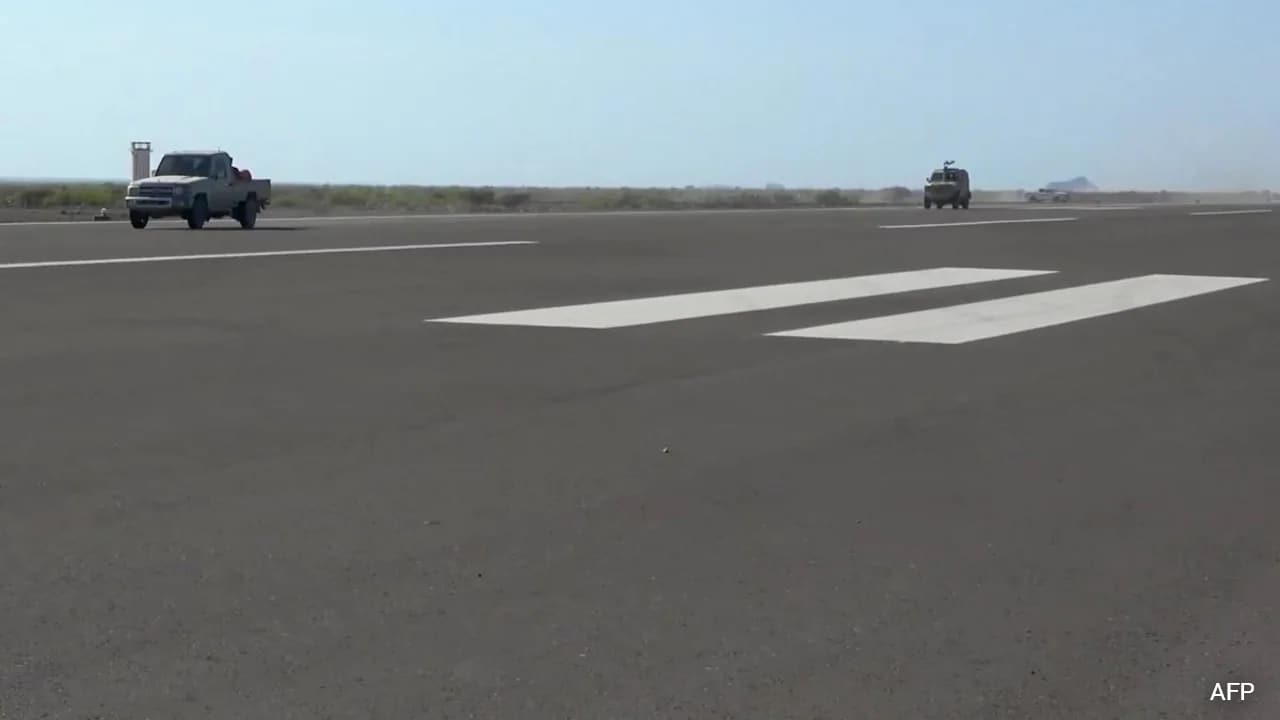
Taiwan just landed its first two brand-new F-16V Block 70 fighter jets at Chihhang Air Base in Taitung. That sounds like good news for Taipei's overstretched air wing. Look closer at the timeline, and you realize it arrived roughly three years late.
The $8 billion deal for 66 jets was inked back in 2019 during Donald Trump's first presidential term. Original schedules pointed to initial deliveries kicking off in 2023. Manufacturing bottlenecks, global supply chain chaos, and complex software integration issues dragged out the timeline. When the first jets finally took off for their trans-Pacific journey, they stalled in Hawaii for weeks after early routing hiccups.
If you look at the strategic picture, waiting three years for an $8 billion defense acquisition isn't just an administrative annoyance. It is a major vulnerability.
The Block 70 Advantage and What It Brings to the East Coast
Chihhang Air Base sits on Taiwan's eastern shore, facing the wide-open Pacific Ocean. That location is deliberate. Traditionally, Taiwan's fighters huddled on western airbases facing the Taiwan Strait, putting them within striking distance of mainland missile batteries. Putting these new jets in Taitung places them on the side protected by Taiwan's rugged central mountain range.
The Block 70 is not your parent's F-16. This is the most advanced production model ever built by Lockheed Martin in Greenville, South Carolina.
- AN/APG-83 AESA Radar: Gives pilots active electronically scanned array capabilities, matching the sensor fusion found in fifth-generation fighters.
- Conformal Fuel Tanks: Hug the fuselage tightly, adding serious operational range without sacrificing hardpoints needed for heavy ordnance.
- Upgraded Avionics and Mission Computers: Handle massive electronic warfare data streams smoothly.
- Strengthened Landing Gear: Built to handle heavier takeoff weights and combat loads under high-tempo operational strain.
Taiwan already operates a fleet of over 140 older F-16A/B aircraft upgraded to the local F-16V standard. Adding these 66 new airframes pushes the total F-16 fleet past the 200 mark. That fleet forms the backbone of a daily air defense grind that forces pilots to scramble constantly against persistent Chinese military patrols.
Why the Delay Stings So Hard
Defense planners don't like waiting. In a security environment where the regional balance of power shifts month by month, a three-year lag creates critical gaps.
Lockheed Martin only unveiled the first completed Block 70 jet for Taiwan in March 2025. Software hurdles proved stubborn. Integrating modern electronic warfare suites with advanced radar modes takes precise coding and rigorous flight testing. When the jets finally left South Carolina, minor turnaround incidents in the Pacific proved that supply chains and logistics paths are still fragile.
Meanwhile, geopolitical realities keep moving. The delivery happened just weeks after high-level diplomatic meetings in Beijing. At the same time, separate major arms packages reportedly face political friction and pauses.
What Happens Next for Taiwan's Air Defense
With the first two jets on the ground, the immediate priority shifts to acceptance checks, ground inspections, and pilot conversions. Maintainers at Chihhang Air Base have to get familiar with the Block 70's internal architecture, while flight crews transition from older variants.
More jets are expected before the end of the year, though exact numbers remain fluid. The rest of the 66-aircraft order will trickle in through 2027 and 2028.
The hardware is finally arriving. The real question is whether the rest of the production run can stick to the revised timeline before regional pressure scales up any further.