Private property rights in Texas face an aggressive test as hundreds of landowners along the Rio Grande dig in against renewed federal border wall plans. Unlike federal lands out West, roughly 95% of Texas is privately owned. That unique reality means the government can't just drop barriers without stepping onto family ranches, historic farms, and generations of private holdings. Now, a growing coalition of ranchers, local archeologists, and residents are fighting back in federal court, pushing past partisan lines to defend their land.
The Ground Zero of Property Seizures
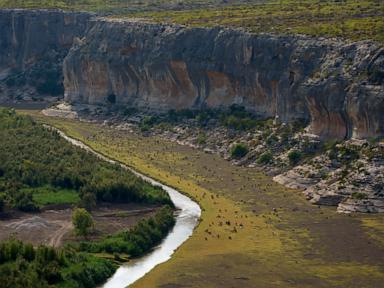
Drive through West Texas or the Big Bend region, and you'll find communities where families have worked the same dirt for more than a century. When federal surveyors and bulldozers show up uninvited with eminent domain paperwork, it triggers a fierce local backlash.
Take fifth-generation cattle rancher Yolanda Alvarado, or local residents like Dianna and Dan Burbach, who watched government surveyors map out projects slicing behind their homes. Many landowners face a brutal reality: proposed barriers threaten to wall off vital access to the Rio Grande, leaving livestock without water and splitting working acreage in half.
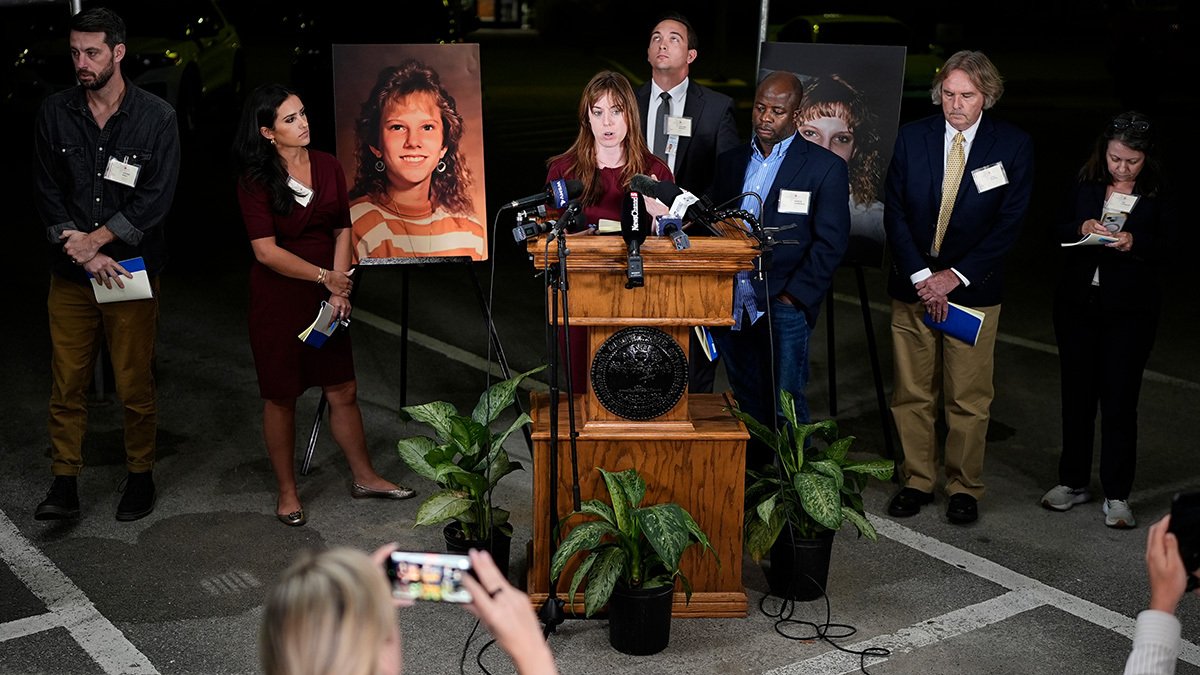
People who voted for border security are drawing a hard line at federal land grabs. Laura Allen, a local landowner and two-time Trump voter, summed up the local sentiment bluntly at a recent Marfa press conference. The message is simple. Security is one thing, but seizing generational family property crosses a line that Texas property owners refuse to accept.
Why This Legal Fight Differs
Previous administration efforts to build barrier infrastructure relied heavily on bypassing environmental and federal regulations via statutory waivers. While early court challenges to those waivers mostly stalled, the current wave of litigation led by groups like Conserve Big Bend takes a sharper approach.
Plaintiffs argue that the federal government is overstepping its authority and ignoring local impact. A federal judge recently handed opponents a temporary win by halting wall construction in the Big Bend sector while the legal battles play out. Even so, the Justice Department continues pushing back, deploying eminent domain attorneys to force acquisitions.
The friction has thrown federal timelines off track. Local archeologist and plaintiff David Keller notes that survey and construction schedules have fallen months behind because everyday residents simply refuse to sign voluntary access agreements. Contractors have been sent packing, caught off guard by the sheer intensity of local resistance.
The Clash Between Federal Power and Local Sovereignty
Eminent domain gives the federal government immense power to condemn and seize private property for public use, provided it offers just compensation. But theory and reality rarely match on the border. Past federal border wall projects revealed low-ball valuation offers, botched property lines, and years of costly litigation for landowners forced to defend their deeds out of pocket.
Texas pride runs deep, and the traditional "don't tread on me" ethos is colliding head-on with federal infrastructure mandates. For these ranching families, it isn't just about property values or lines on a map. It's about protecting a way of life that cannot be relocated or replaced with a government payout.
The legal battles over the Texas border wall are far from resolved, but one thing is clear. The federal government underestimated how hard local landowners would fight to protect their turf.