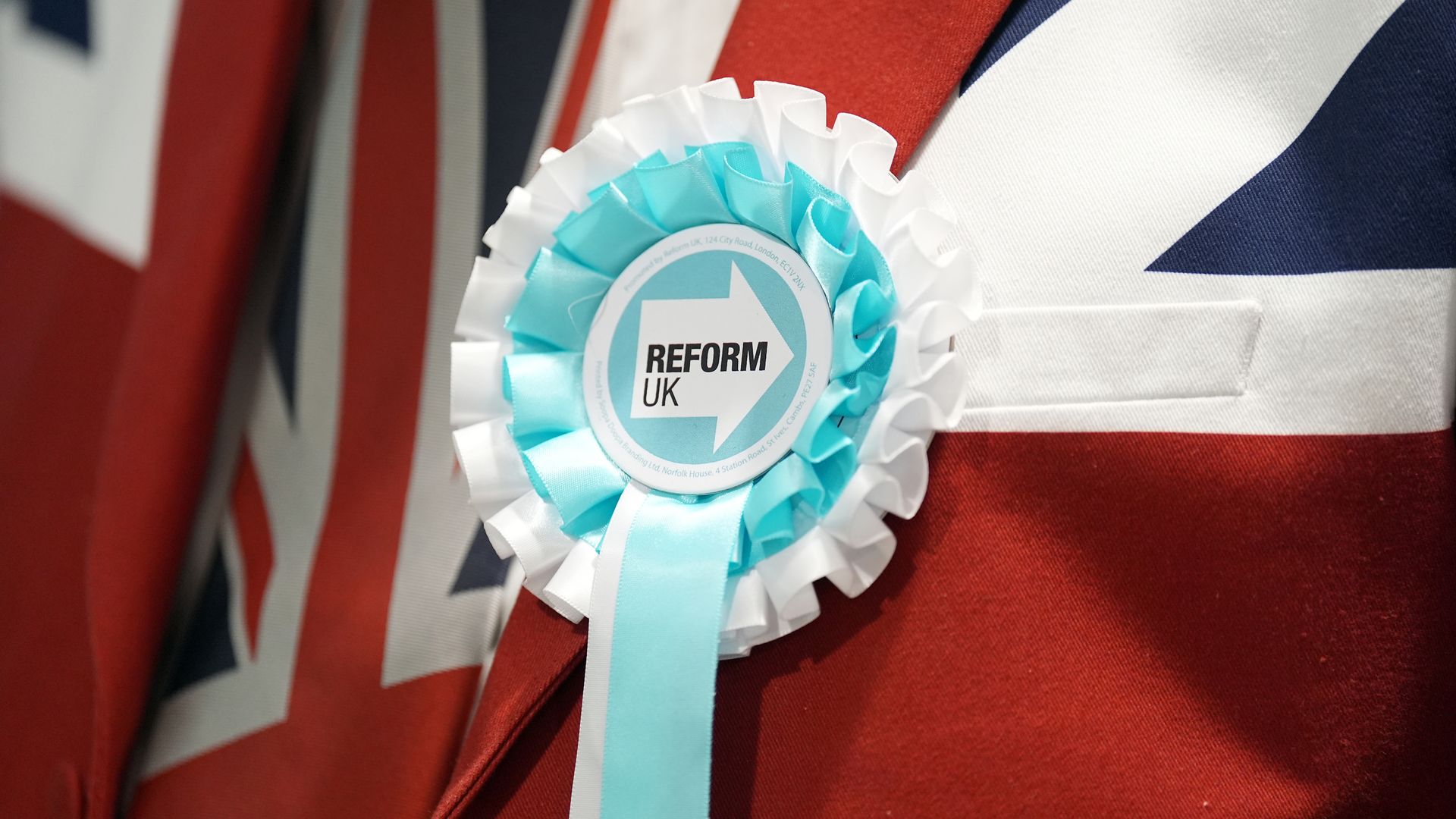
Political self-policing rarely ends with a mea culpa. When Reform UK released its 27-page internal report clearing two senior figures of breaking electoral law, nobody paying attention was genuinely surprised. Dan Jukes and James Orr found themselves at the center of a political firestorm after an undercover sting operation by Channel 4 News and Verbatim Investigations. They were filmed discussing potential foreign funding maneuvers, including a complex scheme involving a £500,000 donation funneled through a UK-based son.
Yet, according to the party's internal assessment authored by its own general secretary and legal counsel, no laws were actually broken because the money never changed hands. Convenient? Absolutely. Entirely unexpected? Not at all. Political parties investigating their own staff tend to find what keeps the ship afloat rather than what sinks it.
What the Internal Report Actually Says
The 27-page document parses words carefully. It acknowledges that both Jukes and Orr acted carelessly during the recorded interactions with undercover reporters posing as wealthy donors. It criticizes their judgment. However, the report draws a sharp line between loose talk and illegal execution.
Because the proposed £500,000 foreign donation was never formally completed, and because no unauthorized polling was ultimately commissioned or paid for, the internal review concluded that neither adviser knowingly entered into an arrangement to breach electoral laws. On Dan Jukes specifically, the report argued he acted as an external contractor rather than an official party representative regarding disputed polling arrangements.
It is a tidy defense. It isolates the party leadership from direct liability while throwing minor procedural blame at the contractors involved. Jukes has already stepped back from politics to pursue other ventures, leaving the party to distance itself from the fallout while swinging back at the media organizations responsible for the sting.
The Problem With Self-Investigations
When an organization marks its own homework, the conclusions carry an asterisk the size of Westminster. Reform UK took aim straight back at the producers, claiming Verbatim acted unlawfully and threatening legal action. They want the narrative shifted away from the embarrassing footage and toward the ethics of undercover journalism.
That strategy plays well to a base that already distrusts mainstream media outlets. If you can convince your supporters that the accusers are the real criminals, the underlying ethical lapses of your own staff become secondary concerns.
Yet, external reality persists outside of internal party reports. The Metropolitan Police are running an active criminal investigation into Reform's finances, folding these specific allegations into a broader look at party donations. Police investigators operate independently of party barristers. They don't grade their own exams, and they don't care about public relations management.
Navigating the UK Political Funding Rules
British electoral law maintains strict prohibitions on foreign donations to prevent outside actors from buying influence in domestic elections. The rules leave zero room for ambiguity. If you accept money from non-qualifying foreign sources, you face severe legal penalties and forfeiture.
The defense used by Reform centers on the concept of intent versus execution. If two people discuss a loophole or a workaround on hidden camera, but the transaction fails to materialize, does it constitute a crime? Electoral lawyers often debate the threshold of conspiracy or preparation versus actual infraction.
Common mistakes people make when looking at these scandals include assuming an undercover sting automatically proves a legal violation. Journalism exposes hypocrisy and poor judgment very effectively. Proving a criminal offense in front of a judge requires a much higher standard of evidence. Jukes and Orr may have survived their employer's internal review, but surviving a police probe is an entirely different hurdle.
Where This Leaves Reform UK
Nigel Farage and his inner circle desperately need to keep momentum alive as local and national political pressures mount. Scandals involving money and foreign influence strike at the core of populist movements that pride themselves on standing apart from establishment corruption.
When your entire brand relies on being cleaner than the traditional political class, getting caught on tape talking about foreign cash—even if it never cleared—inflicts a branding wound that a 27-page internal PDF cannot easily wash away.
The party will try to turn the page, threaten legal writs against broadcasters, and paint the entire episode as a hit job. But until the Metropolitan Police officially close their files, the shadow of this sting will linger.
If you are following political accountability or campaign finance rules closely, watch what the authorities do, not what party headquarters publishes. Internal clearances are written for public consumption. Police reports are written for courts. Those two documents rarely tell the same story.