Medical crises break families down in ways that monitors and medication charts never show. When a veteran is admitted for intensive inpatient mental health treatment or long-term medical care far from home, loved ones face an impossible choice. They can empty their savings accounts on local hotel bills, or they can pack up and leave the patient to heal alone. Nobody talks enough about the financial destruction happening behind closed hospital doors.
That brutal math just changed in the Hudson Valley.
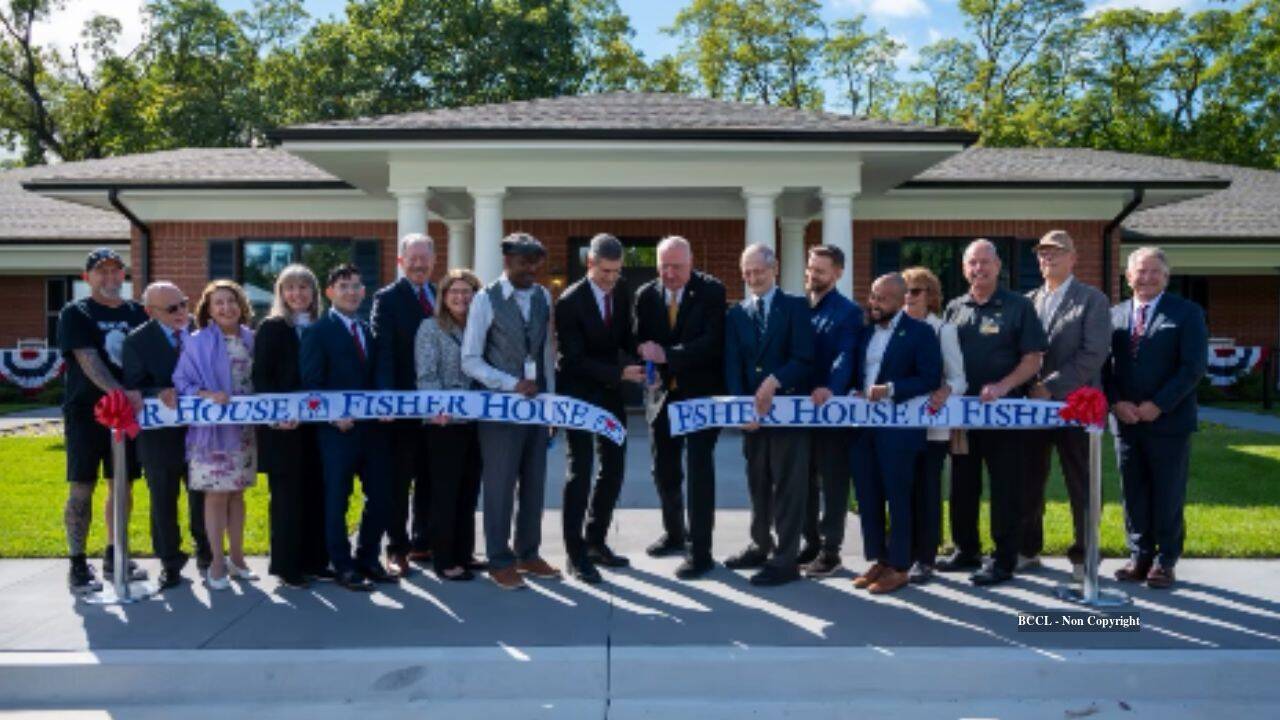
A brand-new 11,400-square-foot Fisher House has officially opened its doors in Montrose, New York, sitting right on the grounds of the Franklin Delano Roosevelt Hospital within the VA Hudson Valley Healthcare System. It gives military and veteran families 12 fully accessible, completely free suites just steps away from where medical care happens. At full occupancy, the facility is projected to wipe out a combined $700,000 in annual lodging costs for families who would otherwise be drowning in hotel expenses.
The Brutal Financial Reality of VA Medical Travel
If you haven't lived through a protracted medical crisis, you don't understand the bleeding. Standard hotel chains near major medical centers routinely charge upwards of two hundred dollars a night. When a spouse needs to stay close for weeks—or months—during intensive residential rehabilitation or psychiatric stabilization, the lodging bills skyrocket past rent or mortgage payments.
Most families don't budget for a medical emergency. They max out credit cards. They borrow from relatives. They sleep out of the back of station wagons parked in hospital lots.
The Fisher House Foundation cuts that problem off at the knees. By placing comfort homes directly on the campus of VA medical centers, they remove the geographic and financial barrier entirely. You walk out of the veteran's ward, and you walk into a clean, private, fully furnished suite. There are no surprise fees, no hidden deposits, and no checkout dates hanging over your head while your loved one fights for recovery.
Inside the Montrose Facility
The architecture of care matters more than hospital administrators admit. Sterile waiting rooms breed despair. The Montrose house was built with a specific purpose: to look and feel like an actual home.
The building spans 11,400 square feet and features twelve private, wheelchair-accessible suites. Each suite includes a dedicated bedroom and bathroom, ensuring that families maintain personal dignity and privacy during extended stays. But the private rooms are only half the equation.
The communal areas drive the real psychological recovery. The house features:
- A massive, fully equipped kitchen designed for multiple families to cook at once.
- Shared living and dining spaces where people who understand the exact same trauma can sit in silence or swap advice.
- A laundry facility that spares families from hunting down local laundromats.
- An outdoor patio built for quiet reflection away from clinical hospital corridors.
When you're dealing with a veteran undergoing intense psychiatric care or rehabilitation, isolation is the enemy. Sitting alone in a cheap motel room miles away amplifies the terror. Sitting across a kitchen island from another military spouse who gets it? That keeps people anchored.
How the Fisher House Model Actually Works
Many people assume these facilities are government-funded programs or corporate charity projects. They aren't. The Fisher House Foundation relies on a unique public-private partnership model that forces local communities to have skin in the game.
The foundation covers the entire cost of construction and interior furnishings. However, they partner with local citizens, businesses, and civic organizations to raise half the funding for each individual house. Once the keys are handed over to the Department of Veterans Affairs, the medical center manages day-to-day operations while the foundation continues to provide ongoing support.
This is the fourth Fisher House to open in New York State, joining existing locations in Albany and two in the Bronx. Nationwide, the foundation operates a network of one hundred comfort homes. Over two decades of operation, the model has earned stellar charity ratings for transparency and efficiency because every dollar donated goes straight into brick-and-mortar support for people who earned it through service.
Why Mental Health Care Needs This Infrastructure Most
Medical care isn't just about broken bones and oncology wards. The Montrose Fisher House places a heavy emphasis on families supporting veterans receiving inpatient mental health care and residential rehabilitation.
Psychiatric stabilization and trauma recovery are marathon events, not sprints. Traditional hospital visits often limit family involvement to strict visiting hours, cutting off the natural support systems that veterans rely on most. When family members can stay just fifty yards away, they can participate in treatment planning, attend therapy sessions with clinicians, and provide a stable anchor when the clinical day ends.
Veterans fighting invisible wounds need continuity. Having a spouse or parent living nearby changes the entire trajectory of long-term rehabilitation. It transforms a clinical environment into a collaborative healing ecosystem.
What Needs to Happen Next
Building more houses is the obvious answer, but the real takeaway is how communities rally around veterans once the infrastructure is laid out for them. If you want to support families navigating medical crises, stop looking at massive federal bureaucracies for immediate relief. Look at local initiatives like the Fisher House Foundation, where grassroots fundraising directly translates into a physical bed for a mother whose son is undergoing VA treatment.
The math is simple. $700,000 saved in lodging costs isn't just an accounting trick on a corporate press release. It is $700,000 that stays in the pockets of working-class families, keeping them afloat while they put their lives back together.
Get involved locally, donate directly to regional builds, or check if your community has an active committee working on the next comfort home. The need is constant, and the solution is already proven.