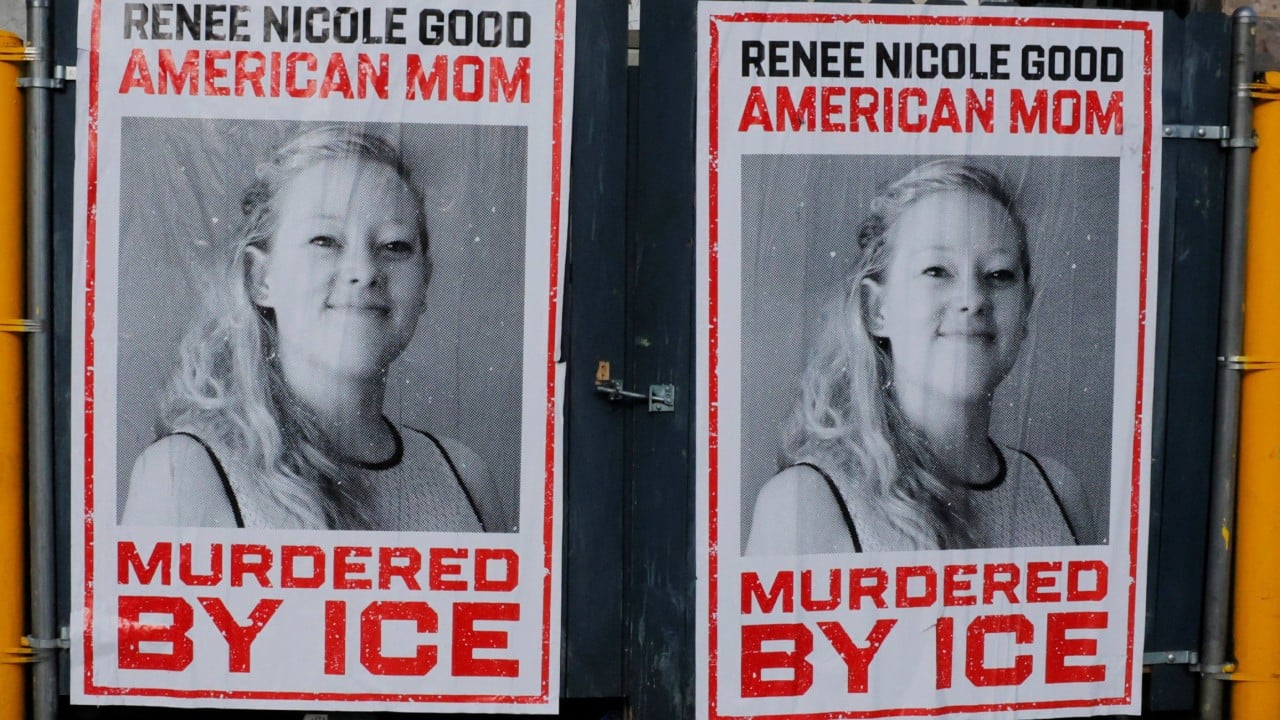
The day of reckoning has finally arrived for families looking for answers in federal immigration enforcement cases. When federal agents stepped up deportation sweeps in Minneapolis under Operation Metro Surge, nobody expected the streets to become lethal combat zones for ordinary citizens. Yet that is precisely what happened on January 7, 2026, when 37-year-old Renee Good was shot dead in her car by an Immigration and Customs Enforcement officer. Months later, her family is taking the fight directly to the Trump administration, filing major civil lawsuits that challenge the very architecture of federal immunity.
If you have been following the fallout from Minnesota’s winter protests, you know that accountability has been painfully slow. The lawsuits filed by Good's family do not just target the individual agent on the ground; they go straight to the top. Naming officials like Jonathan Ross, Gregory Bovino, Kristi Noem, Tom Homan, and Stephen Miller, the legal team is deploying aggressive strategies, including invoking the historic Ku Klux Klan Act of 1871. It is a bold move designed to tackle civil rights conspiracies head-on. But will it pierce the wall of qualified immunity that federal agents usually hide behind? That is the real question keeping legal analysts awake at night.
Breaking Down the Claims Against the Federal Government
Let us look at what actually happened on that freezing January morning. Neither Renee Good nor her partner Becca was the target of any federal investigation. They were unarmed, they had their family dog in the vehicle, and they were simply parked on Portland Avenue trying to document or alert neighbors to an ongoing sweep. Video footage and witness accounts show that multiple vehicles drove around them without incident. Then ICE agent Jonathan Ross approached.
According to the civil complaint filed by attorneys from Romanucci & Blandin, Ross moved past the open window while recording on his phone. Good told him she was not mad at any of them. As other agents shouted expletives, Good turned her steering wheel away and began pulling forward. Ross stepped out of the path, leaned toward the vehicle, drew his firearm, and fired a fatal round through the windshield. To make matters worse, eyewitness reports indicate that when a bystander who identified as a physician offered medical help, an agent flatly responded, "I don't care," and blocked assistance.
Federal officials initially claimed the officer acted in self-defense and even branded Good’s actions as domestic terrorism. Those claims crumbled under public scrutiny and the release of withheld physical evidence, including Good's car, which Hennepin County prosecutors finally secured. Now, the federal lawsuits allege wrongful death, unconstitutional negligence, excessive force, and a coordinated conspiracy to violate civil rights.
Why the 1871 Law Matters Right Now
Invoking the Ku Klux Klan Act of 1871 might sound like an unconventional legal tactic in a modern immigration dispute, but it is a masterstroke of strategy. Originally designed to combat state-sanctioned terror and conspiracies depriving citizens of equal protection under the law, this statute allows plaintiffs to sue individuals acting under color of state or federal authority who conspire to violate civil rights.
When you strip away the bureaucratic language, the family's argument is simple: federal authorities cannot use broad immigration sweeps as a blanket license to disregard the constitutional rights of American citizens and bystanders. Legal experts point out that overcoming federal qualified immunity is notoriously difficult. Plaintiffs must prove that the officials violated clearly established statutory or constitutional rights of which a reasonable person would have known. By targeting systemic policy decisions made by high-ranking administration figures alongside the shooter himself, the legal team is attempting to prove a top-down failure of oversight and training.
The Broader Impact on Minneapolis and Beyond
The fallout from Good's death, alongside the subsequent fatal shooting of Alex Pretti, sent shockwaves through the upper Midwest. Protesters flooded the freezing streets of Minneapolis for weeks, demanding an end to aggressive urban enforcement tactics. Public outrage became so intense that it reshaped the political landscape, contributing heavily to the departure of then-Department of Homeland Security Secretary Kristi Noem.
Local prosecutors in Hennepin County, led by County Attorney Mary Moriarty, have faced an uphill battle getting federal authorities to cooperate and turn over critical evidence. The federal government initially withheld key materials, fueling accusations of a cover-up. Now that state investigators and civil lawyers have access to those files, the pressure on Washington has multiplied.
If these civil suits survive initial motions to dismiss, they could set a monumental precedent for how accountability works when federal agents operate inside local municipalities. Citizens cannot simply be collateral damage in political immigration crackdowns. Families across the country who have lost loved ones to heavy-handed federal tactics are watching this docket very closely. The courts will ultimately decide whether government officials can be held personally and institutionally liable for the tragic cost of Operation Metro Surge.
Hold the line on transparency. Demand accountability before the next tragedy happens.