The headlines have spent months obsessing over the US-Iran stalemate and the crisis around the Strait of Hormuz. But while everyone's eyes are locked on Washington and Tehran, a much more volatile fire is reigniting in the south of the Arabian Peninsula. Yemen is sliding fast back into full-scale civil war. And this time, the explosion won't stay contained within its borders.
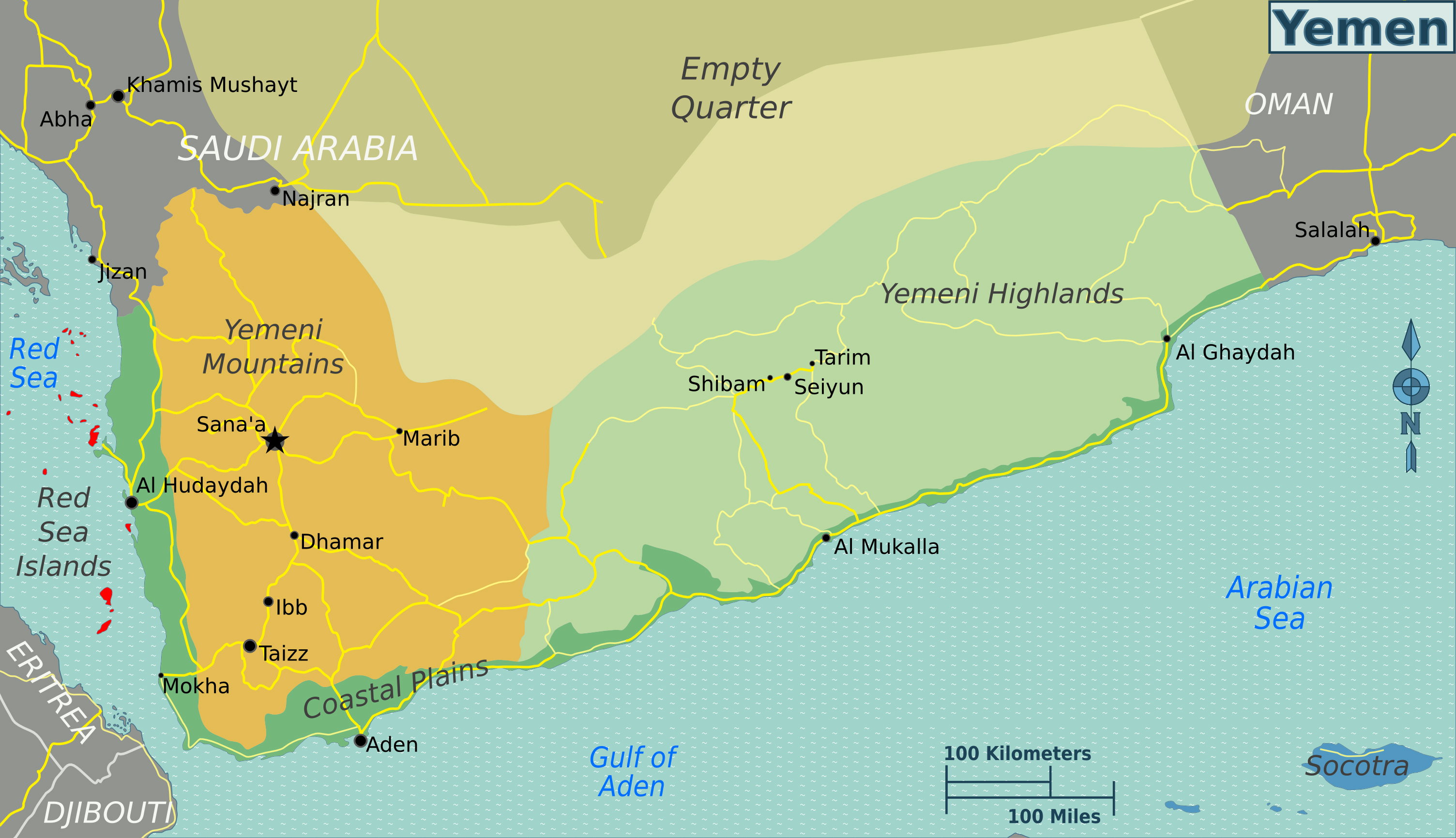
When Saudi jets bombed the runway at Sana'a's airport this past summer to stop an Iranian-chartered plane from landing, the fragile 2022 ceasefire shattered overnight. What followed was immediate retaliation: the Houthis declared a naval blockade against Saudi Arabia, launched missiles at energy facilities, and attacked the East-West Pipeline. Riyadh and the internationally recognized Presidential Leadership Council responded with a brutal counteroffensive in the southwest highlands around Taiz.
Right now, the human toll is climbing by the day. Over 800 people are dead, thousands more sit in hospitals with severe injuries, and nearly 160,000 civilians have fled their homes. That fresh wave of misery comes on top of a decade of structural collapse, starvation, and disease that has killed hundreds of thousands since the conflict ignited back in 2014 and 2015.
The Tangled Web of Regional Powers
You can't look at Yemen's resurgence as a simple domestic dispute. It's a proxy theater where every major regional and global player has skin in the game.
On one side, you have the Houthis backed firmly by Tehran, keeping pressure on the Saudis while the broader confrontation with Israel and the US simmers. On the other side, the Yemeni government leans heavily on Riyadh and its Gulf allies. Meanwhile, Russia and China maintain strategic alignments that lean toward Iran, complicating any unified international response at the UN Security Council.
Things get even more precarious when you look at Riyadh's extended military pacts. Turkey and Pakistan have agreed to activate mutual defense arrangements, positioning troops to defend Saudi territory if attacks persist. If foreign boots land on the ground to back the Saudi-led coalition, the fighting shifts instantly from a localized civil war into a multi-state conventional conflict.
Why Washington is Hesitating
Saudi Arabia has repeatedly nudged the White House to launch direct airstrikes against Houthi positions to cripple their supply lines and missile sites. So far, the Trump administration has kept its distance, offering intelligence sharing and back-end support rather than putting US pilots in the crosshairs.
Washington remembers the quagmire of the past decade. Getting dragged headfirst into a messy Yemeni counterinsurgency while the core confrontation with Iran remains deadlocked in the Persian Gulf is a gamble few strategists in Washington want to take. Yet, standing back might not save them from the economic fallout.
The Global Economic Chokepoint
If you think Yemen's geography makes it irrelevant to your daily life, look at a shipping map. The Bab el-Mandeb strait connects the Red Sea to the Gulf of Aden, handling a massive share of global commercial transit and energy shipments.
When the Houthis weaponize the coastline, global supply chains spasm. Disruptions to Saudi oil pumping through the East-West Pipeline hit global energy markets hard, especially while the Strait of Hormuz remains contested. Fuel prices jump, cargo insurance skyrockets, and shipping companies reroute vessels around the entire African continent, adding weeks and millions of dollars to ordinary trade.
What Happens Next
The path forward looks grim, but diplomatic doors aren't entirely welded shut. Containing this spiral requires an immediate step-back from both Washington and Tehran, pushing their respective clients toward a negotiated settlement rather than military victory.
Without a hard diplomatic reset, the local commanders in Taiz and Sana'a will keep fighting until nothing is left to burn. Keep a close eye on the Red Sea shipping lanes and Gulf diplomatic cables over the coming weeks—they will tell you whether the region is heading toward a ceasefire or an irreversible regional conflagration.