More than 137,000 students across active conflict zones in Yemen have lost their classrooms in recent weeks. While global headlines drift elsewhere, a generational catastrophe is quietly unfolding inside displacement camps where blackboards are nonexistent and notebooks are a luxury few families can afford.
If you look past the political stalemate and international funding shortfalls, you find a generation whose only ambition is remarkably simple. They just want to sit at a desk, open a textbook, and learn.
The Reality Behind the Numbers
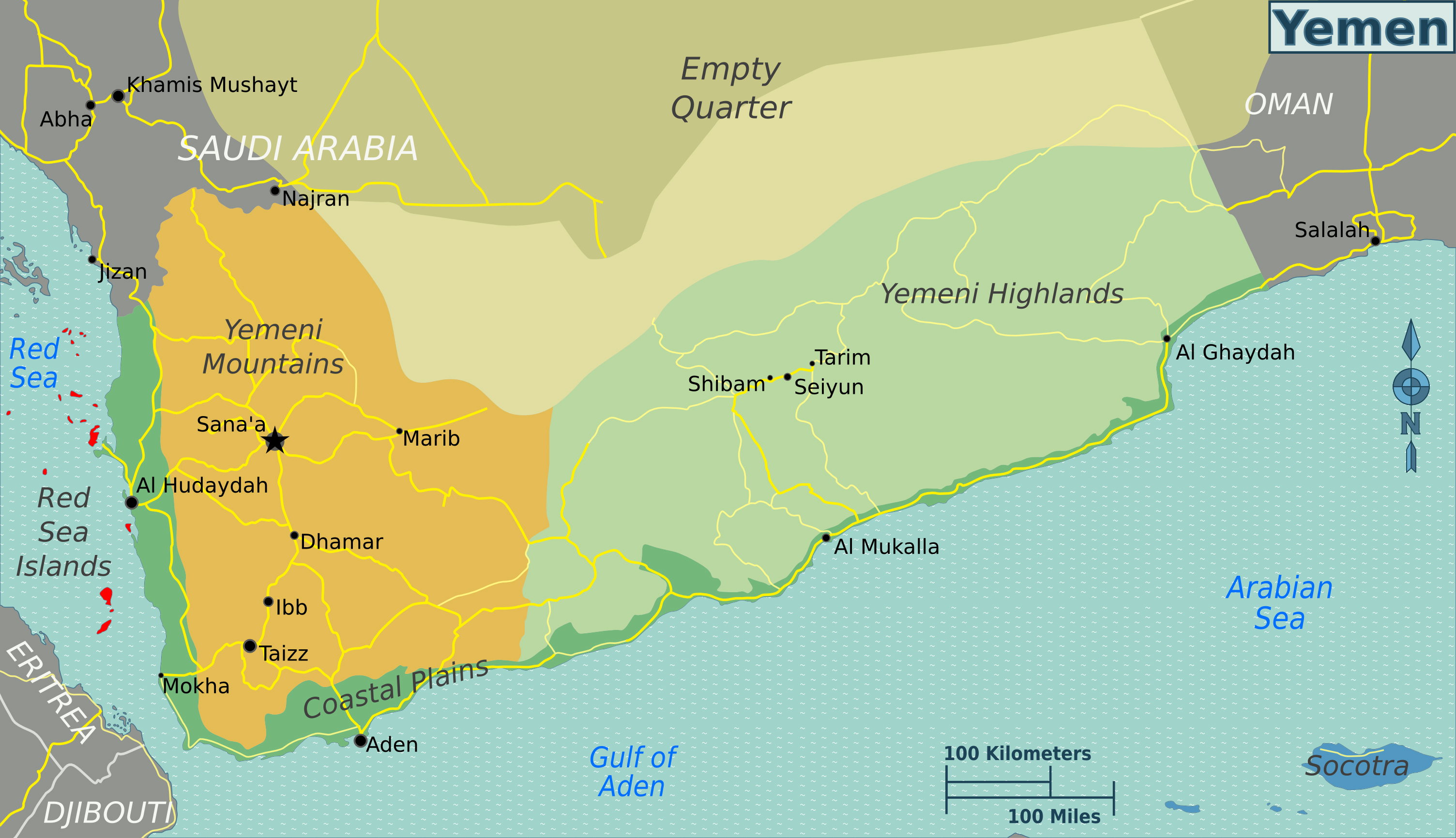
When frontlines shift across western Taiz, southern Al-Hudaydah, and Marib, schools are rarely spared. UNICEF reports that tens of thousands of children have been abruptly uprooted from their homes, joining millions who were already out of school long before the latest escalation.
Think about what that means for a child's daily routine. Instead of waking up at dawn to prepare for lessons, young kids in displacement camps spend their mornings hauling water or standing in queues for food rations.
- Infrastructure loss: Hundreds of schools have been converted into shelters for displaced families or damaged entirely by shelling.
- Economic barriers: Parents who cannot afford basic meals certainly can't pay for uniforms, notebooks, or transport fees.
- Psychological toll: Years of continuous instability leave deep scars that standard emergency aid rarely addresses.
The crisis isn't just about missing a single academic year. It's about an entire educational ecosystem collapsing under the weight of chronic underfunding and unending violence. When humanitarian response plans are only a fraction funded—dropping as low as 20 percent in recent cycles—education is usually the first budget item cut to prioritize emergency food aid and medical treatment.
Why Fixing Yemen's Schooling Crisis Matters Right Now
You can't separate education from survival. When kids are out of school, they become much more vulnerable to early marriage, child labor, and recruitment into armed groups. Classrooms act as protective environments that offer stability, routine, and a brief escape from the harsh reality of camp life.
Aid agencies often focus exclusively on calories and clean water, which makes sense when acute malnutrition rates are soaring among children under five. But ignoring the mind while trying to save the body creates a permanent lost generation.
Local community initiatives have tried to bridge the gap by setting up makeshift tents under trees or in dusty courtyards. Teachers volunteer their time without regular salaries, writing lessons on scraps of cardboard because they refuse to let children give up on their futures. Yet, these grassroots efforts are constantly overwhelmed by new waves of displacement.
What Needs to Change
Throwing temporary supplies at the problem won't fix a broken system. International donors need to earmark long-term funding specifically for educational infrastructure in displacement zones, rather than treating schooling as an afterthought.
Governments and humanitarian organizations must prioritize rebuilding damaged schools outside active conflict perimeters and providing stipends for displaced teachers so they can afford to teach.
Support local educational networks directly by funding community-led learning spaces in displacement camps. Demand that international aid packages include mental health support and educational materials alongside basic nutritional supplies.