If you walked through Beijing recently, you probably noticed you weren't alone. Millions of fuzzy green and brown invaders were crawling down tree trunks, blanketing sidewalks, and turning urban parks into a literal bug hunt.
The culprits are fall webworms (Hyphantria cunea), an invasive moth species native to North America that targets over 300 plant species. They don't kill trees directly, but during heavy infestations, they strip them completely bare. To fight back, Beijing didn't just rely on chemical sprays. The city turned to biological warfare and public participation.
Why This Year's Outbreak Got So Bad
You're probably wondering why the caterpillar surge felt so overwhelming this autumn. Experts point to a mix of climate factors and the biological traits of the pest.
First, winters are getting warmer. Surveys by forestry researchers show that the survival rate of overwintering pupae jumped from 65.3 percent in 2023 to a staggering 84.2 percent this year. More bugs survived the cold months, meaning a bigger starting population when spring hit.
Second, Beijing's summer weather didn't cooperate with pest control crews. Frequent rainfall washed away pesticides shortly after application and narrowed the window for safe ground spraying. Combine that with the moth's insane reproductive capacity—a single female can lay up to 2,000 eggs under ideal conditions—and you get a massive population explosion during the third generation's peak.
The Billion-Wasp Counterattack
Instead of dousing the entire city in harsh chemicals, authorities turned to a more surgical solution: nature.
Beijing has released roughly 1.1 billion tiny parasitic wasps (Chouioia cunea) this year alone. If the phrase "parasitic wasp" sounds terrifying, relax. These creatures are microscopic, completely harmless to humans and pets, and don't sting.
Discovered by entomologists at the Chinese Academy of Forestry, these wasps specialize in hunting down fall webworms. They find the moth pupae, lay their eggs inside them, and let the developing wasp larvae consume the pest from the inside out before an adult moth can emerge. It's brutal for the caterpillars, but it keeps urban chemical use low and protects the surrounding ecosystem.
Turning Citizens Into Bug Hunters
Biological warfare is great, but crowdsourcing pest control is even faster. Beijing Wildlife Park decided to turn the crisis into an interactive event.
They launched a caterpillar-catching contest for park visitors. Families, nature enthusiasts, and curious tourists scoured trees and trails to scoop up the larvae. In just the first few days, participants hauled in roughly 120,000 caterpillars weighing a combined 18.5 kilograms. Winners walked away with free park tickets, turning what could have been a public nuisance into a hands-on lesson in urban ecology.
What Actually Works for Pest Control
If you're dealing with similar invasive pests in your own garden or neighborhood, relying on one single method rarely works. Beijing's multi-layered strategy offers a blueprint:
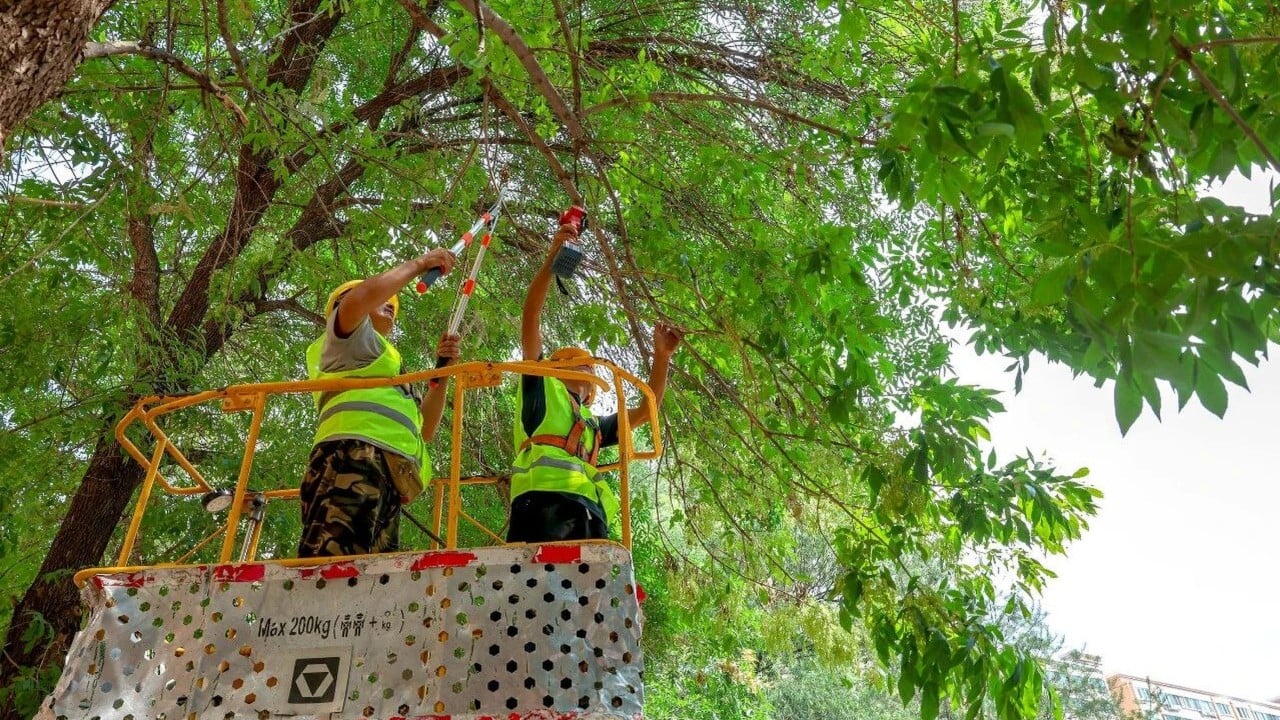
- Manual Removal: Crews physically remove webbed branches and wrap corrugated paper or fabric around tree trunks to trap mature larvae as they crawl down to pupate.
- Targeted Traps: Insect-killing lamps and pheromone traps catch adult moths to break the reproductive cycle before they lay more eggs.
- Biological Controls: Introducing native predators or parasitoids prevents chemical over-saturation in populated urban areas.
The battle against invasive species is ongoing. But combining high-tech biological controls with old-fashioned citizen action proves you can manage an outbreak without ruining the environment in the process.
Ever tried catching caterpillars to help protect a forest?
This video provides a quick look at Beijing's forest-protection campaigns and how visitors get hands-on experience controlling the pest population.
http://googleusercontent.com/youtube_content/1